Common Booking Mistakes That Cancel Wedding Florists
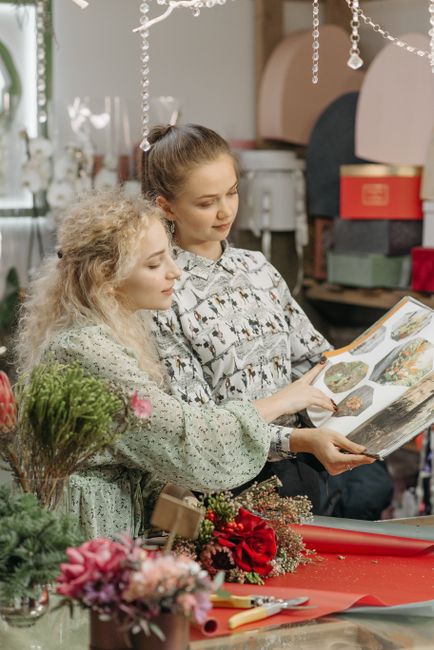
Booking wedding flowers sounds simple right up until it isn't. One minute you're comparing bouquet styles and colour palettes, the next you're trying to rescue a booking that has fallen apart over timing, deposits, vague briefings, or a date clash. The truth is, common booking mistakes that cancel wedding florists are usually avoidable, but only if you know what to look for before you confirm anything. That matters because florists do not just turn up with a few stems and a smile. They plan around stem availability, design time, vehicle space, delivery slots, venue access, and a very specific wedding-day window.
If you are organising a wedding, this guide will help you understand where bookings go wrong, how florist cancellations happen, and what good practice looks like. It also gives you a practical checklist, a simple comparison table, and a few grounded tips that can save a lot of stress later. Let's face it, no one wants to be chasing peonies at 7am on the morning of the ceremony.
Why Common Booking Mistakes That Cancel Wedding Florists Matters
Wedding floristry is one of those services that looks effortless from the outside and deeply logistical from the inside. A florist is not just pricing flowers; they are mapping out seasonality, design labour, delivery timing, supplier lead times, and the venue setup sequence. When a booking goes wrong, the impact is bigger than a missed email. It can mean lost design time, wasted ingredients, and a diary that no longer works.
That is why booking mistakes matter so much. A late reply, an incomplete brief, or a deposit left hanging can push a florist to release the date. Sometimes that is a hard call, but it is a practical one. Wedding work is time-sensitive. Once a date is blocked out, the florist may turn down other clients, order stock, or reserve workshop time. If the couple then changes details repeatedly without clear agreement, trust starts to wobble. And once trust goes, the booking can go with it.
There's also the human side. A florist needs confidence that the wedding is real, organised, and financially secure enough to proceed. If you are still deciding on your venue, unsure of guest numbers, or not clear on your budget, that can be fine, but it needs to be communicated honestly. Mixed signals are often what cause a booking to unravel.
Expert summary: the fastest way to lose a wedding florist is to book casually and communicate vaguely. The fastest way to keep one is to be specific, responsive, and realistic from the start.
How Common Booking Mistakes That Cancel Wedding Florists Works
Most cancellations do not happen because of one dramatic event. They happen in layers. First comes the enquiry. Then the quote. Then the hold on the date. Then the deposit. After that, the florist starts shaping the proposal around the wedding details. If any one of those steps is handled loosely, the process can stall.
Here is the basic flow in plain English:
- Enquiry stage: You share date, venue, guest count, style ideas, and rough budget.
- Quote stage: The florist estimates what is possible based on season, labour, transport, and design complexity.
- Booking hold: The florist may tentatively reserve the date for a limited period.
- Deposit and terms: Payment confirms the booking and locks in the agreed scope.
- Planning stage: Final details are confirmed, often after a consultation or moodboard review.
- Final sign-off: Any last changes are checked against the order and timeline.
If the couple leaves out key information at stage one, the quote may be unrealistic. If the deposit is delayed, the florist may release the date. If the scope keeps changing after sign-off, the florist may decide the job is no longer viable. It is not personal; it is operational. A wedding florist has to protect both the design quality and the business schedule.
One small but common issue is assuming "we'll sort it later" is harmless. It usually isn't. Later has a habit of arriving all at once, usually on a Wednesday afternoon when everyone is already busy.
Key Benefits and Practical Advantages
A careful booking process does more than prevent cancellation. It creates a better wedding result. Clear information means the florist can recommend flowers that suit the season, the venue, and the style of the day. It also means fewer surprises in the final week, which is when nobody wants surprises, to be honest.
- Better design accuracy: the florist can match your brief to realistic flowers and mechanics.
- More reliable budgeting: you avoid quoting a dreamy concept that later becomes too expensive to deliver.
- Stronger trust: clear communication builds confidence on both sides.
- Fewer last-minute changes: a proper sign-off process keeps the plan stable.
- Smoother wedding-day logistics: delivery, installation, and collection are easier to coordinate.
There is also a subtle benefit that people overlook. When the booking is organised properly, the floral team can work more creatively. They are not spending energy clarifying basics or chasing answers. They can focus on making the arrangement look beautiful in the room, which is the bit everyone notices when the doors open and the flowers catch the light.
If you are comparing providers, useful pages such as flower delivery information and delivery details can also help you understand how a florist handles logistics, which is often a clue to how organised the overall service will be.
Who This Is For and When It Makes Sense
This topic matters for anyone booking wedding flowers, but especially for couples planning in a rush, planning from a distance, or planning a wedding with multiple moving parts. If you are organising a city venue in London, a barn in the countryside, or a small civil ceremony with tight access times, the margin for error is smaller than it looks.
It also matters if you are:
- booked into a busy wedding season and trying to secure suppliers early
- working with a tighter budget and need honest prioritisation
- not yet sure of your final guest count or venue layout
- booking flowers for a mixed-faith, multicultural, or multi-location celebration
- coordinating flowers alongside catering, photography, and venue styling
To be fair, a lot of couples do not realise how much a florist needs to know. They may assume a few inspiration pictures are enough. They are helpful, yes, but they are not the full brief. If your wedding involves a church ceremony, a hotel reception, and a late-night setup window, the florist needs that context up front.
If you are unsure how a provider handles policies, payment timing, or what happens if plans change, pages like terms and conditions, payment information, and returns and refund guidance are worth reading early, not on the eve of confirmation.
Step-by-Step Guidance
Here is the most practical way to avoid the booking mistakes that can cost you your florist. Think of it as a calm little checklist for the early stages.
1. Confirm the wedding date and venue first
Do not request a final floral proposal before you know the date, venue, ceremony time, and approximate guest count. Without those basics, any quote is guesswork. A florist may be able to give a ballpark estimate, but not a dependable plan.
2. Share the real brief, not just the pretty brief
It is fine to share inspiration photos, but also state what you actually need: bridal bouquet, buttonholes, top table flowers, ceremony arch, aisle decor, and any repurposing between locations. The job is easier when the florist sees the whole picture.
3. Ask what the booking process looks like
Good florists usually have a clear process: enquiry, quote, reservation, deposit, and final confirmation. Ask how long a provisional hold lasts and when the booking becomes firm. That one question alone can prevent a messy misunderstanding.
4. Read the payment and cancellation terms carefully
This sounds obvious, but it is the bit many people skim. Look at what the deposit covers, whether it is refundable, and what happens if you change the date or reduce the order. The wording matters, even when it feels dull.
5. Put changes in writing
If the number of guests changes or the venue layout shifts, write it down and confirm the impact. A quick message is better than a memory. "We've now got 120 guests instead of 90" is much more useful than "a few more people are coming."
6. Agree on final sign-off dates
There should be a final point where the design is approved. After that, late edits may not be possible, or they may incur extra cost. That is normal. Weddings move quickly, and suppliers need a clear stop point.
7. Check delivery and access details
Is there parking? A loading bay? A short window for setup? Does the venue have stair access or an elevator? These details can affect whether a florist can take the booking comfortably.
Honestly, this is where many wedding plans become either smooth or slightly chaotic. The flowers are lovely. The logistics are the bit that keeps them lovely.
Expert Tips for Better Results
A good florist appreciates clients who think ahead. You do not need to know every flower variety, but a bit of structure goes a long way.
- Be realistic about seasonality: if you want a flower that is out of season, expect substitutions or a higher price.
- Set one decision-maker: too many opinions can slow the booking and create confusing revisions.
- Use a visual moodboard sparingly: a few clear images are better than twenty mismatched ones.
- Confirm what is included: petals, vases, ribbons, hire items, installation, and dismantling should all be clear.
- Build in a small contingency: weddings do move about a bit, and flowers need breathing room too.
One thing we often notice is that couples who ask thoughtful questions early tend to have fewer issues later. They may ask, "What if the venue changes?" or "Can we reuse the ceremony flowers at dinner?" Those are practical questions, and they show the florist you are thinking about the event as a whole. That tends to get a better response, in my experience.
If you want reassurance about the business itself, the pages on about the company, service guarantees, and contact options can help you judge how transparent and responsive a provider is before you commit.
Common Mistakes to Avoid
This is the section that saves people the most grief. Here are the most common booking errors that can lead to a florist cancelling, stepping back, or refusing to proceed.
Leaving the enquiry too vague
"We need some flowers for our wedding" is not enough. A florist needs date, location, rough numbers, and scope. Otherwise the proposal will either be inaccurate or slow.
Expecting a date hold without commitment
Some couples think a verbal promise is enough. It usually is not. If the florist has not received the required deposit or signed agreement, the date may not stay open.
Changing the brief repeatedly
A few refinements are normal. Rewriting the entire design after agreement is something else. At some point, the florist has to say, "We need to lock this in." Fair enough, really.
Underestimating budget
If your budget is far below the look you want, the florist will have to keep reworking the concept. That can cause frustration on both sides and, if it drags on, the booking may be abandoned.
Ignoring venue restrictions
Some venues limit candles, hanging installations, flower confetti, or setup times. If you do not mention restrictions, the florist may quote a plan they cannot actually deliver.
Going silent after the quote
Weeks of silence can make a florist assume the booking is dead. It sounds blunt, but that is how a busy diary works.
Not reading the small print
The unglamorous pages matter. Booking terms, payment timing, delivery conditions, and refund rules are all part of the service. A lot of avoidable stress starts here.
| Booking mistake | Likely florist response | Better approach |
|---|---|---|
| Vague enquiry with no details | Delayed or generic quote | Share date, venue, guest count, and floral scope |
| Late deposit | Date released to another client | Pay promptly once happy with the proposal |
| Constant design changes | Extra charges or withdrawal | Approve a clear final brief |
| Ignoring venue rules | Plan becomes unworkable | Check access, restrictions, and timings first |
| Skipping terms and conditions | Disputes over scope or refunds | Read the booking terms before paying |
Tools, Resources and Recommendations
You do not need fancy software to book wedding flowers properly, though a few simple tools help enormously.
- A shared notes app: useful for keeping guest counts, colour choices, and supplier names in one place.
- A folder for inspiration images: keep it tight and relevant, not a runaway moodboard.
- A wedding timeline: note when the florist needs final numbers, access times, and payment milestones.
- A venue information sheet: include loading access, lift availability, and any rules from the venue manager.
- A payment reminder: helps avoid the awkward chase that nobody enjoys.
On the provider side, pages such as flower care guidance can be useful for understanding how long arrangements are expected to last and how they should be handled once delivered. That matters if flowers are being moved between locations or used over several hours.
You may also find utility pages like sustainability information helpful if you care about seasonal sourcing, waste reduction, or the environmental side of floral design. Not every wedding needs to be carbon-perfect, let's be realistic, but many couples do want to make more thoughtful choices.
Law, Compliance, Standards, or Best Practice
For wedding floristry, the most relevant practical guidance is usually around consumer clarity and fair trading rather than anything overly technical. In plain terms: both sides should know what has been agreed, what has been paid, and what happens if plans change. Written terms are valuable because memories fade fast once the cake tasting and seating plan drama start.
Best practice usually includes:
- clear written quotes
- transparent deposits and payment timing
- specific scope of work
- agreed delivery and installation windows
- defined cancellation or amendment rules
If the booking involves personal information, it is also sensible to look at the provider's privacy policy and cookie policy. That is less about flowers and more about trust, but trust is part of the service. Accessibility matters too; if anyone on the team needs information in a different format, the provider's accessibility statement can tell you what support is available.
Finally, if you ever want confidence about how a company handles its wider responsibilities, a page like modern slavery statement can give useful context about supply-chain awareness. It is not the first thing most couples ask about, naturally, but it does say something about the organisation's standards.
Options, Methods, or Comparison Table
There are a few ways couples approach booking flowers, and each comes with different risks. The best option depends on how organised the wedding already is.
| Booking method | Best for | Risk level | Notes |
|---|---|---|---|
| Quick verbal enquiry | Very early ideas | High | Useful only for rough direction; not enough to confirm anything |
| Quote by email with clear brief | Most couples | Medium | Good balance of speed and clarity |
| Consultation plus written proposal | Large or complex weddings | Low | Best for venues, installations, and more detailed styling |
| Last-minute booking | Small, simple orders only | High | Limited design options and narrower availability |
If you want the safest route, the consultation-plus-proposal route usually wins. It gives both sides enough information to make sensible decisions. A rushed booking can work, of course, but it leaves little room for anything beyond the basics.
Case Study or Real-World Example
Here's a realistic scenario, the sort that happens more often than people think. A couple books a venue in central London and wants a soft, garden-style look. They send five inspiration photos, all beautiful, none of them especially helpful. The florist prepares a proposal based on a medium-sized ceremony and a modest reception.
Then the details start changing. The guest count rises. The ceremony time moves earlier. The couple adds a hanging display. The venue confirms a tight setup window and no parking on the main entrance. The florist revises the quote, but the couple delays approving it. A week passes. Then another. By the time the couple is ready to pay the deposit, the florist has taken another wedding on the same date.
No one was rude. Nobody was trying to cause trouble. It was just a chain of small misses. Slightly late replies, incomplete information, and no final commitment. In the end, the booking was released because the florist had to keep the schedule workable. It's a very ordinary reason for a very disruptive problem.
Now compare that with a different couple. They send the date, venue, colour palette, budget ceiling, and a simple list of must-have items. They confirm the deposit within the agreed period, accept a seasonal substitution where needed, and keep revisions focused. The result? A calmer process, a happier florist, and fewer moving pieces in the final week. Not glamorous. Just solid.
Practical Checklist
Use this before you confirm any wedding florist booking.
- Have you confirmed the wedding date, venue, and ceremony time?
- Have you shared guest numbers and floral requirements clearly?
- Have you set a realistic budget range?
- Have you asked how long the date can be held?
- Have you read the quote carefully and checked what is included?
- Have you reviewed the payment terms and deposit conditions?
- Have you checked venue access, parking, and setup restrictions?
- Have you agreed who the main decision-maker is?
- Have you locked in the final sign-off date?
- Have you kept all key changes in writing?
Quick rule of thumb: if a detail would affect cost, timing, or design, assume the florist needs to know it before the booking is secured.
Conclusion
Most florist cancellations are not about flowers at all. They are about clarity, timing, and commitment. If you avoid the common booking mistakes that cancel wedding florists, you give the supplier something precious: a workable plan. And that, more than anything, keeps the whole thing moving calmly toward the wedding day.
Take your time with the brief. Be honest about the budget. Confirm the deposit. Read the terms. Small things, yes, but they make a huge difference when the schedule gets busy and the petals need to be in the right place by 2pm.
Get a free quote today and see how much you can save.
With a bit of care at the booking stage, your flowers can feel like the easiest part of the day - and honestly, that is a lovely place to be.
Frequently Asked Questions
What are the most common booking mistakes that cancel wedding florists?
The biggest issues are vague enquiries, delayed deposits, repeated brief changes, and ignoring payment or cancellation terms. Any one of those can make a florist feel the booking is too uncertain to hold.
Can a florist cancel a wedding booking if I do not pay the deposit on time?
Yes, they often can if that is part of the agreed process. Many florists will only hold a date for a limited period before releasing it to other clients.
How far in advance should I book wedding flowers?
As early as possible once your date and venue are confirmed. Busy dates and peak wedding seasons can fill quickly, especially if the order is complex.
What information does a florist need before confirming a booking?
Usually the wedding date, venue, ceremony and reception details, guest numbers, style ideas, budget range, and any access or timing restrictions.
Is it a mistake to send only inspiration photos?
It is not wrong, but it is incomplete. Photos help with style, yet the florist still needs practical information to price and plan accurately.
What if my guest numbers change after I book?
Tell the florist as soon as you know. A small change may be easy to manage, but a major change can affect the design, labour, and total cost.
Why do wedding florists care so much about venue access?
Because access affects delivery timing, staffing, equipment, and sometimes whether large installations are even possible. A lovely design is no use if it cannot be safely installed.
Can a last-minute wedding flower booking still work?
Sometimes, yes, if the order is simple and the florist has availability. But the options are usually narrower, and seasonal choices may be limited.
Should I read the florist's terms and conditions before paying?
Absolutely. That is where you will find the rules for deposits, amendments, cancellations, and final balances. It is not thrilling reading, but it saves arguments later.
What should I do if I am not sure about my final floral style?
Say so early. A good florist can usually guide you toward a flexible concept that leaves room for refinement without risking the whole booking.
How can I tell if a florist is organised enough for my wedding?
Look at how clearly they explain the booking process, how quickly they respond, and whether they give written details rather than relying on vague promises. Clear communication is often the best sign.
Do sustainability or care pages matter when booking a florist?
They can. Pages about sustainability and flower care show that the provider thinks beyond the initial sale and understands how the flowers will be sourced, handled, and maintained.