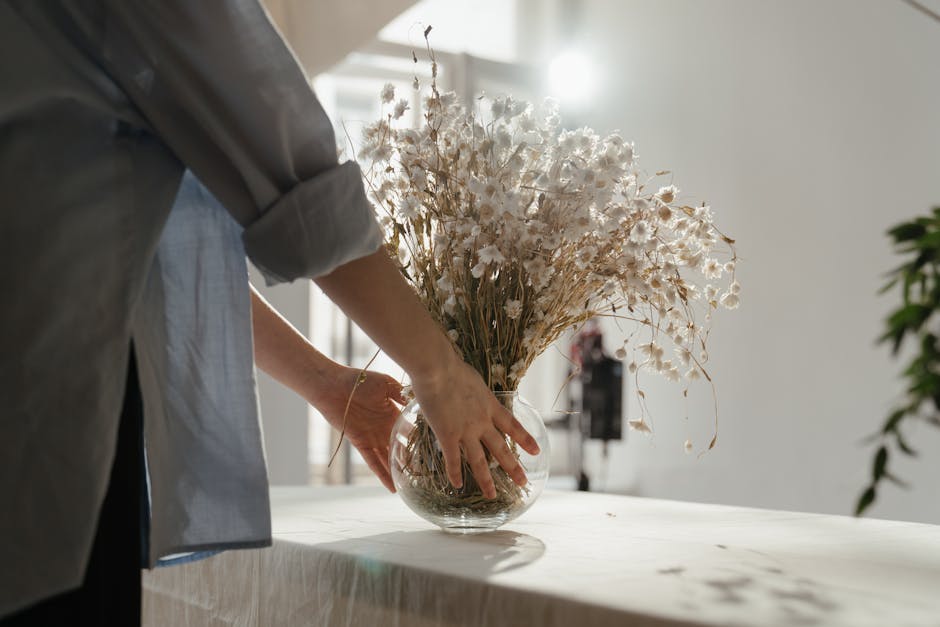
Professional Tips to Preserve Event Flowers Overnight
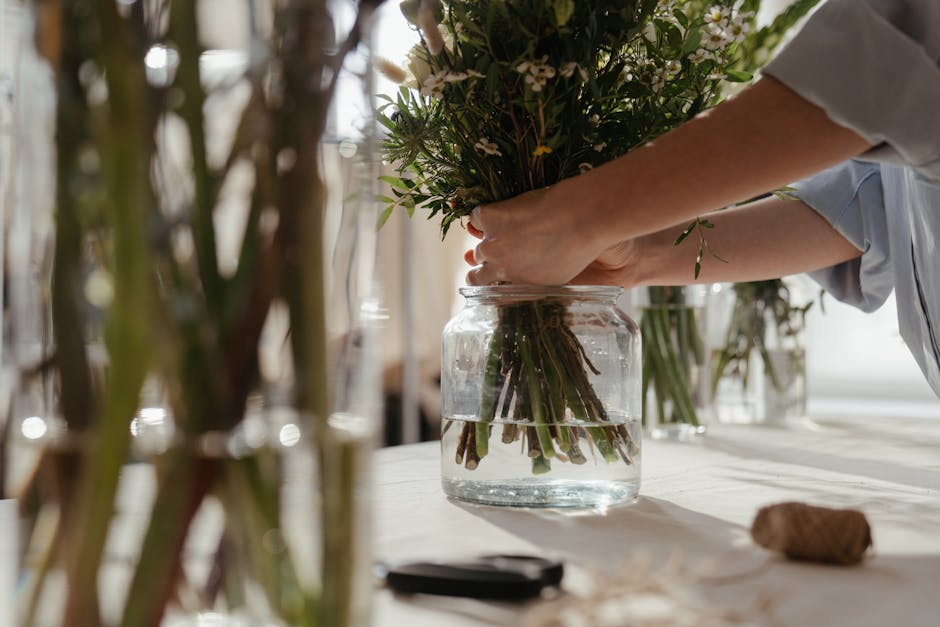
If you have ever looked at a beautiful event arrangement at 11 p.m. and thought, "How on earth do we keep this looking fresh until morning?", you are not alone. The good news is that professional tips to preserve event flowers overnight are less about magic and more about timing, temperature, water management, and a bit of calm, methodical care. Whether you are handling wedding centrepieces, corporate displays, or a one-night private celebration, the right overnight routine can make the difference between a tired, drooping arrangement and flowers that still feel crisp and intentional the next day.
This guide walks through what works in real life, not just in theory. You will learn how florists protect blooms after an event, why certain flowers last better than others, what to do with arrangements in a home, venue, or back-of-house space, and which mistakes quietly shorten vase life. It is practical, UK-friendly, and written for anyone who needs flowers to survive until the next morning without drama. Let's face it, nobody wants a gorgeous display to look like it has had a rough night out.
Why Professional Tips to Preserve Event Flowers Overnight Matters
Flowers are often one of the most visible parts of an event. They frame the room, soften the lighting, and set the tone before guests even notice the table settings. Once the event is over, though, the challenge changes. Overnight preservation is about keeping the arrangement presentable, hydrated, and structurally stable for the next day's breakfast service, photos, breakdown, or second-day celebration.
That matters for a few reasons. First, flower quality is fragile. Heat from candlelight, warm rooms, crowded dance floors, and long display times all reduce freshness. Second, many event flowers are part of a larger investment. If the arrangements can be reused, repurposed, or displayed longer, the value improves. Third, there is simply the guest experience to think about. A reception space that still looks elegant the next morning feels considered, not thrown together.
In practice, the biggest issue is not usually the flowers themselves. It is the environment around them. A bouquet may be perfectly healthy when delivered, but if it sits near a radiator, in a draught, beside fruit, or in a warm service corridor, it can deteriorate quickly. The overnight routine is what protects the work already done. It is a small window, but a crucial one.
Expert summary: The best overnight preservation combines three things: cooler storage, clean hydration, and minimal handling. If one of those slips, the arrangement often shows it by morning.
If you are already organising an event, it helps to think beyond the event itself. Many teams use the same care principles they would apply to delivery and aftercare, and pages such as flower care guidance and delivery information can be useful when planning how flowers move from one stage to the next.
How Professional Tips to Preserve Event Flowers Overnight Works
To preserve flowers overnight, you are trying to slow the natural processes that make blooms fade: water loss, bacterial growth, bruising, and ethylene exposure. That sounds technical, but the practical version is simple. Keep stems hydrated, keep the flowers cool, and keep them away from stress.
Fresh flowers continue to breathe after they are cut. They draw water up the stem, lose moisture through petals and leaves, and react to their surroundings. A warm venue speeds all of that up. A cool, clean environment slows it down. That is why florists often treat overnight care as a controlled pause rather than a full reset.
Different flowers respond differently. Roses can be forgiving if re-cut and rehydrated. Hydrangeas are thirsty and dramatic about it. Tulips keep growing. Peonies can be moody, and delicate blooms like ranunculus or sweet peas need gentle handling. Truth be told, there is no single trick that suits every arrangement. Good overnight care is about matching the method to the flower and the event setup.
In a professional setting, the process usually includes:
- Removing the display from heat, direct sunlight, and strong air movement
- Refreshing the water or keeping stems in moist hydration foam when suitable
- Trimming stems where needed to reopen water uptake
- Removing damaged foliage and petals that would decompose overnight
- Stabilising the arrangement so it does not shift or crush itself
That last point gets overlooked more often than people think. A display that tips, leans, or gets nudged while being moved will often lose more value than one that simply sits in slightly imperfect water. Flowers hate being knocked about. Honestly, they are a bit precious.
Key Benefits and Practical Advantages
Overnight preservation is not just about aesthetics. It supports the event's value, improves flexibility, and reduces waste. For planners, venues, florists, and hosts, those benefits are surprisingly practical.
1. Better appearance the next day
When flowers are preserved properly, they still look intentional and photo-ready in the morning. That matters for weddings with breakfast rooms, hotel displays, and corporate spaces where the floral styling needs to carry on beyond the main event.
2. More room for reuse or repurposing
Centerpieces can be moved into lounges, reception desks, breakout rooms, or guest gifting tables. Larger installations may be broken down and re-styled. Overnight preservation keeps that option open, which is helpful when budgets are under pressure.
3. Reduced waste
Better care means more blooms can be used for longer. That is especially useful for businesses and organisers with a sustainability focus. If reducing avoidable waste matters to you, it is worth looking at the broader sustainability approach of your supplier or florist.
4. Less panic during breakdown
Anyone who has packed down an event at midnight knows the feeling: bags, boxes, cords, sticky tape, half-drunk water, and the question of what to save first. A simple overnight plan cuts stress. You make fewer rushed decisions, and the flowers are less likely to be mishandled.
5. Stronger value from the floral investment
To be fair, event flowers are rarely inexpensive. Preserving them overnight gives you more usable life from the arrangement, which makes the original spend feel smarter. That is not just a finance point; it is a common-sense one.
There is also a softer benefit. Fresh flowers in the morning can make a space feel cared for. That kind of detail lingers.
Who This Is For and When It Makes Sense
Overnight flower preservation is relevant anywhere flowers need to last beyond the main event window. It is especially useful for:
- Wedding planners and venue teams
- Corporate event organisers
- Restaurants and hospitality venues hosting private events
- Hotels with lobby or suite displays
- Private hosts arranging birthday, anniversary, or memorial flowers
- Florists delivering large installations that need next-day longevity
It makes sense whenever the flowers are expected to serve a second purpose, whether that is morning photography, next-day guest visits, or simply getting a few more days of life from an arrangement after the party is over. That is often the case with British weddings and business events, where setups can stretch over a full weekend or several service periods.
It is also worth noting when overnight preservation may not be the main priority. If flowers are being dismantled immediately for composting or charitable redistribution, the care process can be different. In that situation, the emphasis may be on sorting and handling rather than keeping every bloom in peak condition. Different job, different outcome.
If you are handling multiple arrangements for a business account or recurring events, some suppliers offer practical support through corporate accounts, which can help streamline repeat ordering, invoicing, and event planning.
Step-by-Step Guidance
The best overnight routine is calm, structured, and boring in the best possible way. Flowers usually prefer routine over creativity at this stage.
Step 1: Assess the flowers before moving them
Check which blooms are still strong and which are already struggling. Remove broken stems, wilted petals, and any foliage that has turned soft. If a stem has bent or been crushed, it will not recover much overnight, so do not expect miracles.
Step 2: Decide whether the arrangement stays assembled
Some designs can stay in place. Others need to be deconstructed, especially if they were built in foam, shallow dishes, or decorative vessels that do not suit overnight storage. Large table arrangements may be fine as they are, but airy installations often do better if partially taken apart.
Step 3: Re-cut stems where necessary
Use clean, sharp scissors or a florist knife and trim about 1 to 2 centimetres from the stem ends, angling the cut if appropriate for the flower type. This helps reopen water uptake. The key is cleanliness. A ragged cut can slow absorption and introduce bacteria.
Step 4: Place stems in clean, cool water
Use fresh water in clean containers. If a preservative is available and suitable for the flowers, use it according to the product instructions. For larger event work, separate flowers by type if needed, because not every bloom drinks at the same speed.
Step 5: Keep arrangements out of heat and light
Choose the coolest suitable indoor space available. Avoid radiators, kitchens with heavy overnight heat, sunny windows, and areas near active air-conditioning vents. The ideal spot is usually cool, stable, and dim.
Step 6: Protect delicate heads
If flowers are top-heavy, use a box, sleeve, or clean support so they do not crush against each other. This is especially helpful for roses, peonies, and open blooms that mark easily. A little space goes a long way.
Step 7: Check the setup once more before leaving
Look for leaks, unstable vases, bent stems, or leaves sitting in water. If you have ever woken to a tabletop soaked through because a vase slowly tipped, you will know why this final check matters. It is a five-minute job that can save the whole display.
Step 8: Reassess in the morning
Before the flowers go back on display, refresh the water, give stems another trim if needed, and remove anything that has degraded overnight. The morning reset is where the arrangement earns its second life.
Expert Tips for Better Results
Now we get to the details that separate "pretty good" from "still lovely at 8 a.m.". These are the small habits experienced florists lean on.
Use the coolest safe space, not just any spare room
A cooler room slows moisture loss. Even a modest temperature drop can make a noticeable difference by morning. A hallway, utility room, or unused guest room may work better than a warm kitchen or event office full of laptops and people moving around.
Don't overcrowd the flowers
If blooms are pressed tightly together, they bruise and trap moisture. That can lead to petal damage or early decay. It is better to give each arrangement enough breathing space. Flowers need their personal bubble, apparently.
Remove anything that will rot overnight
Decaying leaves, crushed petals, and submerged foliage are bacteria magnets. Clear them out. It sounds a bit fussy, but it is one of the quickest ways to improve vase life.
Handle hydrangeas separately
Hydrangeas are a special case because they can wilt dramatically when thirsty. If you are preserving mixed arrangements, give hydrangeas extra attention, ideally with a deep drink and cooler placement. Misting can help in some circumstances, but it is not a substitute for proper hydration.
Keep fruit away from the flowers
Fruit releases ethylene gas, which speeds up aging in many flowers. A fruit bowl next to an arrangement may seem harmless. It is not ideal. Keep them apart if you want better longevity.
Use water wisely, not excessively
More water is not always better if the arrangement is unstable or built in a way that can saturate the base and weaken supports. Aim for enough hydration to keep stems fed, while avoiding a sloppy setup that leans or leaks.
Plan for the flower mix, not only the vase
Tougher blooms like chrysanthemums and carnations will often survive the night more easily than delicate stems. If the arrangement includes several flower types, the most fragile one usually dictates the care strategy. That is the one to protect.
One more thing: don't keep moving the flowers around just to check on them. The less you disturb them, the better. A little stillness helps.
Common Mistakes to Avoid
Most overnight problems come from a few repeat offenders. They are easy to miss when the event is busy and everyone is half packing, half tidying, half wondering where the charger went.
Leaving flowers in a warm room
Heat is the fastest route to decline. Even if the flowers look fine at first, warmth speeds up water loss and bacterial growth. A beautiful arrangement can become limp by morning if left too close to heat sources.
Forgetting to clean the containers
Old residue in vases and buckets encourages bacteria. Dirty water shortens vase life, sometimes noticeably. Clean containers are one of the cheapest improvements you can make.
Cutting stems with blunt tools
Blunt scissors can crush the stems rather than opening them. That limits water uptake and makes the flowers more vulnerable. Sharp tools matter more than people expect.
Using too much floral foam without checking moisture
Floral foam can be useful, but it needs proper saturation and monitoring. If it is too dry, the arrangement will struggle. If it is handled roughly, stems can loosen. It works well when used properly, not as a shortcut.
Spraying everything and hoping for the best
Misting can be helpful for some blooms, but it is not a full preservation strategy. It should support hydration, not replace it. Over-spraying can also leave petals wet for too long, which is not ideal overnight.
Ignoring flower-specific needs
One arrangement may hold up beautifully while another collapses. Roses, lilies, orchids, hydrangeas, tulips, and seasonal British flowers all behave differently. A one-size-fits-all approach is rarely the right answer.
Leaving flowers near drafts or fans
Air movement pulls moisture from petals and leaves. If the only available space is near a fan, door, or vent, try to shield the flowers or choose a better room. Direct airflow is surprisingly harsh.
Tools, Resources and Recommendations
You do not need a huge toolkit to preserve event flowers overnight, but a few basic items make life much easier.
- Clean buckets or vases
- Sharp florist scissors or snips
- Fresh water
- Flower food or preservative, if suitable
- Support boxes, sleeves, or wrapping for delicate stems
- Soft cloths or paper for drying spills
- Labels if you are separating flower types
- Gloves, especially for prickly stems or sap-sensitive flowers
If you are ordering flowers for a planned event, it helps to understand the supplier's service expectations before the flowers even arrive. Look at guarantees, returns and refund information, and terms and conditions so you know what is covered and what care responsibilities sit with you.
For operational planning, it may also help to understand payment options and the company's background if you are coordinating flowers for a venue, office, or recurring booking. In a busy schedule, that kind of clarity saves admin headaches later.
And yes, a simple spray bottle, kept clean, is still a useful tool. Not glamorous. Very effective.
Law, Compliance, Standards, and Best Practice
For most readers, overnight flower care is a practical and quality issue rather than a legal one. Still, if you are working in a venue, hospitality setting, or managed workplace in the UK, it is wise to follow normal health, safety, and site procedures. Wet floors, spilled water, broken glass, and electrical equipment do not mix well with late-night breakdowns.
Best practice usually means keeping walkways clear, using stable containers, and storing flowers away from food prep areas unless the venue has approved methods for doing so. If staff or contractors are handling the flowers, make sure responsibilities are clear. A small miscommunication at 11:45 p.m. can easily become a messy morning.
If you are in a public-facing space, accessibility matters too. Place arrangements where they do not obstruct routes, exits, or mobility access. The floral display should enhance the room, not create a barrier. That sounds obvious, but event rooms can get crowded fast.
For organisations that care about procurement standards, ethical sourcing, and responsible business practices, pages such as modern slavery statement and sustainability can help provide reassurance about broader supplier values. Those details may not preserve flowers overnight directly, but they do build trust around the overall service.
It is also sensible to review utility pages like privacy policy, cookie policy, and accessibility statement if you are managing bookings or working with a website-based florist service. Clear policies usually reflect a well-run operation.
Options, Methods, or Comparison Table
Different preservation methods work better depending on the flower type, the venue, and how much time you have. Here is a simple comparison to help you choose.
| Method | Best for | Strengths | Limitations |
|---|---|---|---|
| Keep arrangement assembled overnight | Sturdy centrepieces and stable vases | Fast, simple, preserves design shape | Can hide damaged stems or trapped heat |
| Re-cut stems and store in clean water | Mixed bouquets, hand-tied arrangements | Excellent hydration, easy to reset in the morning | Needs spare containers and space |
| Cool-room storage | Large events, premium flowers, delicate blooms | Slows deterioration the most | Not always available, must avoid freezing |
| Foam-based holding | Installed arrangements and some displays | Supports structure, good for staged designs | Needs correct saturation and careful handling |
If you are deciding between these options, start with the flower type and the room you have available. That usually makes the choice for you. A cool, clean room with water is a strong default. A crowded warm room with no buckets? Not so much.
Case Study or Real-World Example
Consider a Saturday wedding reception in a hotel function room. The table flowers are compact, the bridal bouquet includes roses, lisianthus, and eucalyptus, and the couple wants the room to look good for breakfast the next morning because a few family members are staying on site.
The event team begins breakdown at around 11 p.m. They do not try to leave everything in place. Instead, they separate the most valuable arrangements, trim the stems, remove tired foliage, and transfer the bouquets into clean water. The table centrepieces stay assembled, but they are moved away from the warmest part of the room and positioned on a stable surface out of direct airflow.
The hydrangeas are treated separately because they are the thirstiest part of the mix. Damaged petals are removed. Water is refreshed before the team leaves. Nothing fancy. Just disciplined care.
By morning, the roses still have shape, the greenery has not turned limp, and the displays are good enough to move into the lounge for the rest of the day. Are they as perfect as they were fresh from the florist? No, and that would be unrealistic. But they are presentable, dignified, and clearly cared for. That is the win.
What made the difference was not a single trick. It was the combination of cool storage, quick cleaning, smart separation, and fewer hands touching the arrangements than necessary. Simple things, done properly, tend to work best.
Practical Checklist
Use this checklist when you need to preserve event flowers overnight.
- Remove flowers from heat, sunlight, and strong airflow
- Check which blooms are delicate and need special handling
- Re-cut stems with clean, sharp tools where appropriate
- Use clean buckets, vases, or support containers
- Refresh the water and add preservative if suitable
- Remove leaves and petals below the waterline
- Separate fragile flowers if they are getting crushed
- Store in the coolest safe indoor space available
- Keep flowers away from fruit, radiators, and vents
- Check for leaks, wobble, or unstable arrangements before leaving
- Reassess in the morning and tidy any tired stems
Quick takeaway: If you only remember three things, make them clean water, cool storage, and minimal handling. That trio does most of the work.
Conclusion
Preserving event flowers overnight is one of those tasks that looks simple until you have to do it under pressure. Then every little decision matters. The good news is that the right approach is well within reach: keep the flowers cool, keep them clean, and keep them stable. Do that, and you will usually get a much better result than trying to improvise at the last minute.
Professional tips to preserve event flowers overnight are really about respecting the flowers' needs after the crowd has gone. Not overthinking it, just giving them the best possible conditions for a few quiet hours. That is often enough to turn a one-night display into a next-day success.
If you are planning a wedding, corporate event, or private celebration, it is worth working with a supplier who can support not just the flowers themselves, but the wider journey too, from ordering to aftercare. If you need help choosing the right approach for your event, start with the practical details and build from there.
Get a free quote today and see how much you can save.
And if nothing else, remember this: flowers do not need perfection overnight. They just need a little care, a cool room, and a steady hand. Honestly, that goes a long way.
Frequently Asked Questions
How do you keep event flowers fresh overnight?
Keep them in clean water, trim the stems if needed, remove damaged foliage, and store them in a cool, stable place away from heat and sunlight. The less they are moved, the better.
Can you leave event flowers in water overnight?
Yes, if the container is clean and the water level is suitable for the flower type. Many arrangements do well overnight in water, especially if they are placed in a cool room.
What is the best temperature for overnight flower storage?
A cool indoor space is usually best. Avoid warm rooms and direct airflow. You do not want the flowers to freeze, though, so an excessively cold space is also a problem.
Should I put flowers in the fridge overnight?
If a suitable floral fridge or cool storage space is available, it can help. But a normal household fridge is not always ideal, especially if it contains fruit or is too cold for delicate blooms. Use judgement.
Which flowers last the longest overnight?
Hardier flowers such as carnations, chrysanthemums, some roses, and certain greenery tend to hold up well. Delicate flowers like hydrangeas or open peonies need more careful attention.
Do I need flower food overnight?
Flower food can help if it is appropriate for the flowers and used correctly. It is helpful, but it is not a substitute for clean containers, fresh water, and cool storage.
How do you preserve wedding centrepieces overnight?
Assess each centrepiece individually. Some can stay assembled, while others should be moved into clean water or a cooler room. Stability matters just as much as hydration.
Can I mist flowers instead of putting them in water?
Misting may support certain blooms, but it is not enough on its own for overnight preservation. Stems still need proper hydration wherever possible.
Why do flowers wilt so fast after an event?
Usually because they have been exposed to heat, dry air, bacterial buildup, or handling damage. A busy event space can be tough on flowers, even if they looked perfect earlier in the day.
How long can preserved event flowers last after the event?
That depends on the flower type, initial condition, and overnight care. Some may last several more days, while others only hold well enough for the next morning. There is no universal number.
What should I avoid putting flowers near overnight?
Avoid radiators, direct sunlight, fruit bowls, drafts, and busy walkways. You should also keep them away from anything that can tip, leak, or crush the arrangement.
Is overnight preservation worth it for small events?
Often, yes. Even small arrangements can look better for longer and may be reused the next day. If the flowers matter to you, the extra care is usually worth the effort.
What if the flowers already look tired before the event ends?
Focus on the weakest stems first. Re-cut, rehydrate, and remove the most damaged pieces. You may not fully reverse the decline, but you can often improve the overall look enough for the next day.
Can I reuse event flowers the next morning?
In many cases, yes. That is one of the main reasons overnight preservation matters. Once they are refreshed and checked, flowers can often be moved into a second display or repurposed for guests.
If you want more practical support around flower care, supplier information, or event planning, it can also help to review the site's wider service pages and trust information before you place your order.