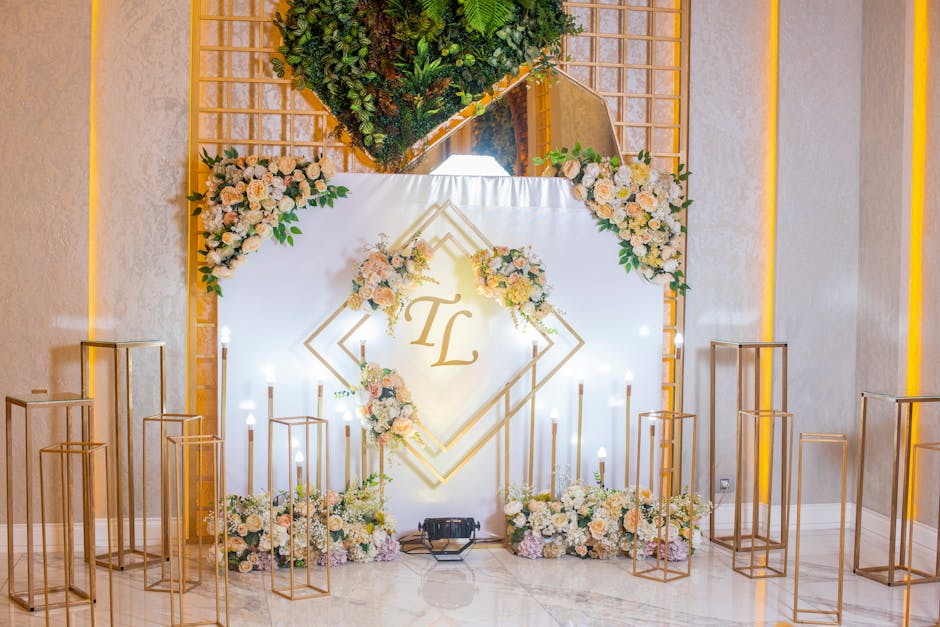
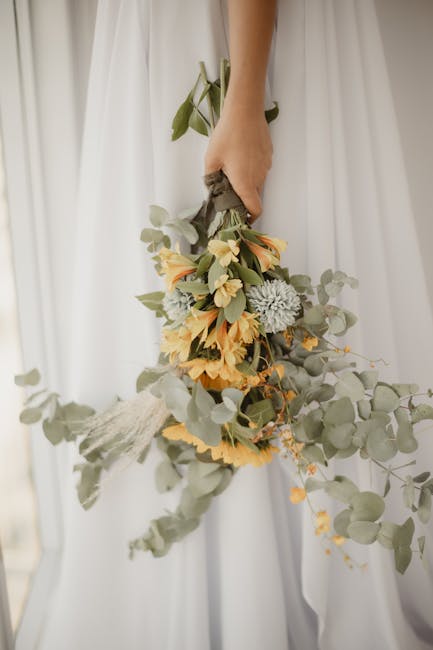
UK Wedding Flower Trends 2026: What's On the Rise
The UK wedding flowers scene is changing in a very practical way. Couples still want romance, but in 2026 they are asking for more personality, more flexibility, and more flowers that feel intentional rather than overdone. If you are planning a wedding next year, understanding UK wedding flower trends 2026 is not just about following fashion. It is about choosing arrangements that suit your venue, your budget, your season, and the kind of atmosphere you want guests to remember.
Some of the strongest shifts this year are subtle rather than dramatic: looser ceremony designs, colour palettes with depth, locally grown blooms, and arrangements that do more than sit pretty for one day. That matters because wedding flowers affect photos, guest experience, and logistics. They can also influence cost more than many couples expect. Below, you will find a detailed, UK-focused guide to what is rising, what still works, and how to make the smartest choices for a 2026 wedding.
Table of Contents
- Why UK Wedding Flower Trends 2026: What's On the Rise Matters
- How UK Wedding Flower Trends 2026: What's On the Rise Works
- Key Benefits and Practical Advantages
- Who This Is For and When It Makes Sense
- Step-by-Step Guidance
- Expert Tips for Better Results
- Common Mistakes to Avoid
- Tools, Resources and Recommendations
- Law, Compliance, Standards, or Best Practice
- Options, Methods, or Comparison Table
- Case Study or Real-World Example
- Practical Checklist
- Conclusion
- Frequently Asked Questions
Why UK Wedding Flower Trends 2026: What's On the Rise Matters
Wedding flowers are no longer treated as a background detail. They are part of the visual story of the day, and in the UK that story is getting more personal. A couple marrying in a city hotel in Manchester may want something completely different from a barn wedding in Somerset or a townhouse ceremony in London. Trends help you understand the direction of the market, but the real value is knowing how those trends translate into your own event.
The biggest reason this matters is decision fatigue. There are endless inspiration boards, but not every floral idea works in a British spring, a windswept coastal venue, or a tight turnaround between ceremony and reception. Knowing what is actually on the rise helps you focus on choices that are current, workable, and photogenic without becoming gimmicky.
There is also a practical budget angle. Rising trends often shape availability. For example, when a certain bloom, colour, or installation style becomes popular, demand increases and so can cost pressure. That does not mean you should avoid it. It does mean you should plan earlier, ask smarter questions, and stay open to seasonal substitutions. If you are also arranging wider event flowers, resources like flower delivery options and flower care guidance can be useful when you need arrangements to arrive fresh and hold well through the day.
Expert summary: The strongest wedding flower trends for 2026 are not about excess. They are about texture, seasonality, movement, and designs that look beautiful in real UK venues, not just on a mood board.
How UK Wedding Flower Trends 2026: What's On the Rise Works
Floral trends in weddings are shaped by a mix of design taste, seasonal availability, social media influence, venue style, and practical cost considerations. In 2026, couples are leaning toward flowers that feel layered and lived-in rather than ultra-structured. That means softer silhouettes, asymmetrical designs, and arrangements that look as though they grew naturally into place.
Here is what is shifting most clearly:
- More texture: Flower combinations now often include foliage, herbs, seed heads, berries, and dried elements alongside focal blooms.
- More seasonality: Couples are asking for flowers that feel appropriate to the month, which usually improves quality and reduces unnecessary sourcing.
- More colour depth: Instead of one flat colour family, designers are layering tones within a palette, such as blush, apricot, terracotta, and wine.
- More natural movement: Bouquets and installations are designed to look less rigid and more organic.
- More reusable design thinking: Couples are looking at ceremony flowers that can be moved into the reception space, which makes better use of the budget.
In practice, this means a wedding florist may build a ceremony arch, then repurpose aisle pieces as table flowers, entrance arrangements, or bar styling later in the day. That simple decision can make a substantial difference to value.
Another part of how the trend works is the rise of bespoke styling over one-size-fits-all packages. Many couples want a look that reflects their venue architecture and dress code rather than a generic "luxury" package. If you are comparing suppliers or exploring wider florist services, it can help to review trusted pages such as about the florist team and service guarantees so you know what level of support is available.
Key Benefits and Practical Advantages
The best trends are the ones that improve both style and planning. That is where the 2026 wedding flower direction is genuinely useful. It gives couples more freedom to create a design that feels meaningful while also being realistic for the British climate, venue logistics, and wedding-day timings.
- Better venue fit: Loose, natural florals suit everything from rustic barns to contemporary galleries and historic houses.
- Stronger photography: Textured arrangements and deeper palettes tend to create more visual interest in photos, especially in soft UK daylight.
- Seasonal value: Choosing blooms that are in season often improves freshness and reduces pressure to import hard-to-source flowers.
- More flexibility: Trend-led but adaptable designs can be scaled up or down more easily than highly rigid installations.
- Less waste: Repurposable designs and locally informed sourcing support a more thoughtful wedding plan.
There is a bonus benefit that often gets missed: trend-aware planning can actually make conversations with a florist easier. Instead of saying "something elegant," you can explain the style you want using practical cues like shape, mood, colour temperature, and movement. That gives a florist much more to work with, and it usually leads to a better result.
If sustainability is part of your decision-making, it is worth reviewing broader supplier values too. A page such as sustainability commitments can help you judge whether a florist or flower provider aligns with your priorities.
Who This Is For and When It Makes Sense
This topic matters to a wide range of couples, not just those with large budgets or ultra-styled weddings. In fact, some of the strongest 2026 flower trends work especially well for smaller and medium-sized weddings because they create impact without requiring a huge number of stems.
You will benefit most from this if you are:
- planning a 2026 wedding and want your flowers to feel current without looking dated next year
- choosing between a classic floral style and something more modern or relaxed
- trying to balance visual impact with cost control
- working with a venue that has strong character and needs flowers to complement, not compete
- interested in seasonal British blooms, eco-conscious styling, or a less wasteful event
- building a wedding mood board and need clear direction before speaking to a florist
It also makes sense if you are helping someone else plan a wedding. Parents, wedding planners, and venue coordinators often need a simple way to understand what style the couple is aiming for and how it affects setup, timing, and day-of logistics.
For couples who need reliable delivery, coordination, or last-minute support, it is sensible to look at the supplier's wider service pages such as delivery information and guarantees before booking. Peace of mind matters when flowers are part of a fixed-time event.
Step-by-Step Guidance
Here is a practical way to turn the 2026 trend landscape into an actual wedding flower plan.
- Start with venue and season. A winter city wedding, a summer garden reception, and an autumn country-house celebration all point toward different flowers and structures.
- Choose the feeling first. Decide whether you want romantic, editorial, refined, playful, grounded, or dramatic. Trendy flowers should support that mood, not fight it.
- Build a palette with depth. Instead of choosing a single pink or white, add secondary tones and texture. This makes the design feel richer and less flat.
- Select focal flowers and support flowers. A few larger blooms can anchor the design, while smaller flowers and foliage create softness and volume.
- Plan for reuse. Ask how aisle flowers, ceremony pieces, and table arrangements can be repurposed later in the day.
- Ask about substitutes. Good florists will suggest alternatives if a bloom is out of season or especially expensive.
- Confirm logistics early. Timing, delivery, setup, and breakdown all matter. A beautiful design can still become stressful if it arrives too late or needs complex on-site handling.
A simple example: a couple planning a spring wedding in Kent might choose ranunculus, tulips, and airy blossom for the ceremony, then echo those tones in low reception arrangements with more foliage and candlelight. The result feels cohesive without being repetitive.
Expert Tips for Better Results
Good floral styling is rarely about choosing the most expensive bloom. It is about making smart design decisions. Here are the approaches that tend to deliver the strongest result in 2026.
- Use contrast, not just coordination. A bouquet becomes more interesting when you mix soft petals with structured shapes or glossy foliage with matte textures.
- Think in layers. Layered designs look more expensive because the eye has more to explore. That does not always mean more flowers; it means more intention.
- Respect the venue. A grand staircase, timber barn beams, or modern glass walls each suggest different floral proportions.
- Choose fewer hero moments. A statement ceremony piece and a thoughtful reception design often outperform several competing mini-features.
- Ask how the flowers will age. Some blooms look perfect for the first hour but struggle later in warmth. That matters if your day runs long.
- Keep scent in mind. Strongly scented flowers can be lovely, but they are not always ideal near dining tables.
One small but important tip: ask to see examples of the florist's work in similar light conditions if possible. Flowers can read very differently in a candlelit room, a bright conservatory, or soft outdoor shade. That is one of those details people only notice after the fact, which is a shame because it is easy to plan for.
If you are comparing suppliers, a good florist should also be transparent about order handling, payment, and customer support. Pages like payment information and delivery details are worth reviewing before you commit.
Common Mistakes to Avoid
Wedding flowers are easy to overcomplicate. A few common mistakes show up again and again, and they are all avoidable with a little planning.
- Chasing trends without a brief: If you only say "whatever is in this year," you may end up with flowers that look fashionable but do not suit your venue or dress.
- Ignoring seasonality: Certain blooms may be available, but forcing out-of-season flowers can increase cost and reduce freshness.
- Overloading the scheme: Too many colours, too many flower types, or too many styling ideas can make the look feel busy.
- Forgetting the practical timeline: Flowers need to be delivered, conditioned, arranged, and sometimes moved between spaces. That takes time.
- Not asking about substitutions: A florist should always have a sensible plan if a bloom becomes unavailable.
- Skipping care instructions: Even the best bouquets can droop early if handled badly before the ceremony.
There is also a style mistake that deserves its own mention: overly matching everything. A wedding where every floral element is identical can feel flat. A better approach is to keep the visual language consistent while allowing variation in scale, texture, and placement.
On the trust side, do not ignore the small print. Delivery windows, refunds, terms, and customer care policies matter more than many couples expect, especially for time-sensitive event flowers. Useful references include returns and refund guidance and terms and conditions.
Tools, Resources and Recommendations
You do not need a complicated toolkit to plan wedding flowers well, but a few resources can make the process far smoother.
- Mood board: Use it to collect shapes, colours, venue images, and bouquet styles. Keep it focused.
- Seasonal reference list: Ask your florist which flowers are at their best during your month and region.
- Venue photos: Send pictures of the ceremony and reception spaces from more than one angle.
- Budget outline: Break your floral spend into ceremony, reception, personals, and delivery/setup.
- Timing plan: Note the arrival time, setup time, and any room flips or room changes.
If you want to understand how a floral provider supports your order from start to finish, these pages can help: flower delivery services, care advice, and the company's about page. They are useful for checking whether the brand's service style matches your expectations.
For couples or planners who are arranging multiple events, it can also be worth looking at corporate account options if the same supplier will support pre-wedding events, venues, or associated hospitality needs. Not every wedding needs that, of course, but larger celebrations can benefit from a streamlined relationship.
Law, Compliance, Standards, or Best Practice
Wedding flower planning is not heavily regulated in the way some industries are, but there are still important best-practice considerations in the UK. Good florists should be clear and transparent about what they provide, when they deliver, how they handle substitutions, and what happens if there is a problem on the day.
From a consumer perspective, it is sensible to read delivery terms, refund policies, and privacy information before booking. If a florist stores your contact details, event details, or address information, you want to know how that data is handled. Support pages such as privacy policy and accessibility statement help signal that the business takes customer experience seriously.
There are also ethical and sourcing standards to think about. Many couples now ask whether flowers are seasonally grown, imported, or arranged with waste reduction in mind. If that matters to you, ask direct questions. Ethical sourcing is not just a marketing line; it is a meaningful part of responsible wedding planning. A supplier's modern slavery statement and sustainability page may give you a better sense of their wider values.
Best practice also includes safe handling and proper flower conditioning. That means clean water, cool storage where appropriate, and sensible installation timing. None of this is glamorous, but it is the difference between flowers that look polished and flowers that start to fade before the speeches.
Options, Methods, or Comparison Table
One of the clearest ways to plan wedding flowers in 2026 is to compare the main design approaches. Each has its own strengths.
| Approach | What it looks like | Best for | Things to watch |
|---|---|---|---|
| Classic structured styling | Neat bouquets, symmetrical arrangements, defined shapes | Formal venues, traditional ceremonies, elegant city weddings | Can feel less current if it is too rigid |
| Loose garden-inspired styling | Soft silhouettes, visible stems, layered textures, natural movement | Barns, country houses, spring and summer weddings | Needs careful handling so it does not look messy |
| Minimal modern styling | Fewer stems, strong negative space, clean lines | Contemporary venues, design-led couples | Can look sparse if the scale is underdone |
| Abundant romantic styling | Full arrangements, rich colour depth, lots of volume | Statement ceremonies and high-impact photos | Higher cost and more logistics |
| Sustainable repurposed styling | Ceremony pieces reused for tables or entrances | Budget-conscious or eco-focused weddings | Requires careful planning and movement on the day |
If you are unsure which route to choose, think in terms of where the flowers will be seen most. A bouquet that looks beautiful in close-up may not have enough presence for a large room, while a large installation may be overkill for a small intimate ceremony. There is no universally "best" method. There is only the best fit for your space and priorities.
Case Study or Real-World Example
Consider a couple planning a late-summer wedding in the Cotswolds. They wanted something modern but warm, and they knew the venue already had stone walls, timber details, and a naturally romantic feel. Instead of choosing a heavily structured floral theme, they worked with a florist to create a soft palette of peach, cream, muted coral, and fresh greenery.
The ceremony design used one statement focal piece at the front, with aisle flowers that could later be moved onto the reception tables. Their bouquets echoed the same colour family but included more texture and movement so they photographed well outdoors. Rather than trying to cover every surface with flowers, they concentrated the floral impact where guests would actually see it most.
The result was simple in concept and strong in effect. The venue architecture did some of the work, the flowers added warmth, and the overall design felt current without looking forced. Truth be told, that is often the sweet spot for a good wedding floral plan: not the most elaborate version, just the one that feels right when everything is in the room together.
Practical Checklist
Use this checklist when reviewing wedding flower plans for 2026.
- Have you chosen a style that fits the venue?
- Have you confirmed the wedding month and likely seasonal availability?
- Do you have a clear colour palette with at least one supporting tone?
- Have you asked which flowers are focal blooms and which are secondary?
- Can any ceremony flowers be reused at the reception?
- Have you checked delivery timing and setup requirements?
- Do you know what happens if a flower is unavailable?
- Have you reviewed the florist's terms, refunds, and guarantees?
- Do you have a backup plan for weather if any flowers will be outdoors?
- Have you shared venue photos and table dimensions with the florist?
Quick reminder: the best wedding flower plan is not the one with the most trends. It is the one that still looks beautiful when the venue fills with people, music starts, and the light changes.
Conclusion
UK wedding flower trends for 2026 are moving toward more natural movement, richer colour stories, seasonal thinking, and designs that work harder across the day. That is good news for couples, because it means flowers can be both beautiful and practical. You do not need to chase every trend. You just need the right mix of style, structure, and realism.
If you plan early, choose seasonally where possible, and ask the right questions about delivery, setup, substitutions, and care, your flowers will do more than look nice in photos. They will help shape the mood of the whole day. And that is the point, after all.
Get a free quote today and see how much you can save.
Frequently Asked Questions
What are the biggest UK wedding flower trends for 2026?
The biggest trends are looser garden-style arrangements, textured bouquets, deeper colour layering, seasonal British blooms, and more reusable ceremony-to-reception designs.
Are neutral wedding flowers still popular in 2026?
Yes, but they are becoming richer rather than flat. Think ivory, champagne, soft blush, muted green, and warm neutrals with texture rather than plain white arrangements.
Which flowers are likely to feel most current for a 2026 wedding?
Seasonal flowers with movement and texture tend to feel most current. Florists often use blooms such as ranunculus, tulips, roses, sweet peas, dahlias, and foliage-heavy combinations, depending on the month.
How far in advance should I book wedding flowers in the UK?
For a 2026 wedding, booking several months ahead is sensible, especially if your date is in peak season or you want a specific florist. Earlier is usually better for popular weekends.
Can I save money by choosing seasonal flowers?
Often, yes. Seasonal flowers usually offer better availability and freshness, and they can reduce the need for costly substitutions or imported stems.
How do I make wedding flowers look more luxurious without overspending?
Focus on scale, texture, and placement. A few well-designed focal arrangements, mixed with smart reuse across the day, often create more impact than spreading the budget too thin.
What should I ask a florist before booking?
Ask about seasonal options, substitutions, delivery timing, setup, care, guarantees, and what happens if a bloom is unavailable. It is also wise to ask how they handle breakage or delays.
Are dried flowers still a good idea for weddings in 2026?
They can be, especially when mixed with fresh flowers. Purely dried designs are less dominant than they were, but dried elements still add texture and can work well in modern, bohemian, or sustainable schemes.
What is the safest flower style for an unpredictable UK weather forecast?
Hardier seasonal blooms, good foliage support, and sensible timing are the safest choices. Your florist should also advise on shade, water access, and how long arrangements can sit outdoors.
Do wedding flowers need special care on the day?
Yes. Flowers should be kept cool where possible, handled gently, and set up as close to the event time as practical. A florist should give clear instructions for transport and storage.
Can ceremony flowers be reused at the reception?
Absolutely, and in many cases they should be. Repurposing aisle flowers, arches, or entrance pieces is one of the smartest ways to stretch a wedding flower budget.
How do I know if a florist is reliable?
Look for clear communication, transparent policies, realistic advice on availability, and useful support pages such as delivery, guarantees, returns, and contact information. A reliable florist should make the process feel calm, not confusing.