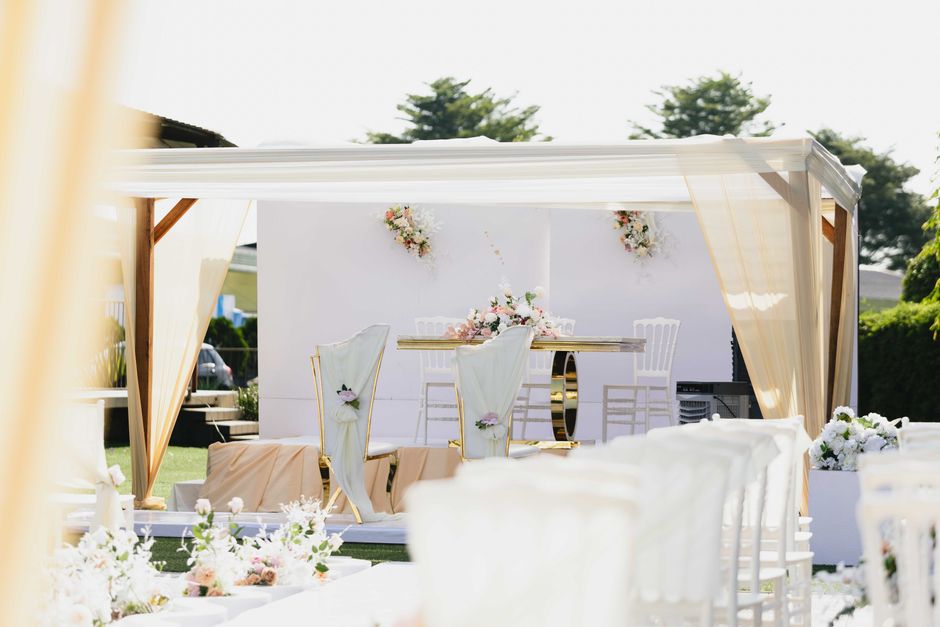
Wedding flowers timeline from first quote to venue setup
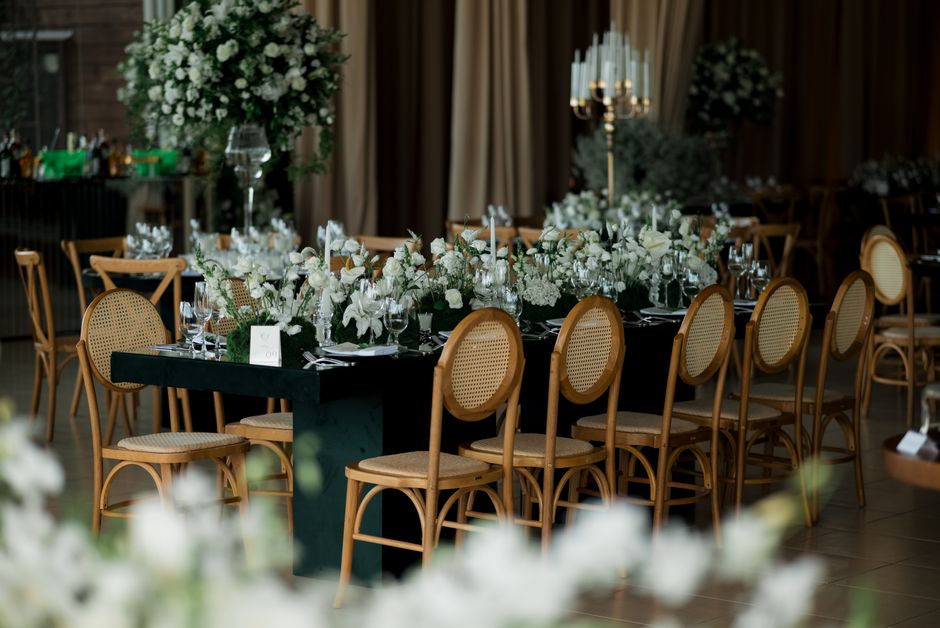
Planning wedding flowers can feel beautifully exciting right up until the details start piling up. One minute you're pinning bouquet ideas, the next you're wondering when to book, when to finalise colours, and how on earth the flowers will get from the first quote to venue setup without a last-minute wobble. That is exactly where a clear Wedding flowers timeline from first quote to venue setup helps. It turns the process into a calm sequence rather than a guessing game, and honestly, that peace of mind is worth a lot.
In this guide, we'll walk through every stage: what happens after your first enquiry, when design decisions should be locked in, how delivery and set-up usually work, and what to watch out for if your venue has rules or awkward access. You'll also get practical tips, a comparison of common planning methods, and a checklist you can actually use. No fluff. Just the kind of advice that makes wedding day logistics feel manageable for once.
- Why the timeline matters
- How the process works
- Key benefits and practical advantages
- Who this is for and when it makes sense
- Step-by-step guidance
- Expert tips for better results
- Common mistakes to avoid
- Tools, resources and recommendations
- Law, compliance, standards, or best practice
- Options, methods, or comparison table
- Case study or real-world example
- Practical checklist
- Conclusion
- Frequently asked questions
Why Wedding flowers timeline from first quote to venue setup Matters
Wedding flowers are one of those details that look effortless when done well, which is a bit unfair because there is usually a lot going on behind the scenes. A clear timeline matters because flowers are time-sensitive, design-led, and dependent on a chain of decisions that all have to land in the right order. If one step slips, the knock-on effect can be surprisingly annoying. Venue access changes. Colour choices drift. Seasonal stems become unavailable. And then suddenly the elegant plan feels rushed.
From the first quote, the florist is already thinking ahead: availability, budget, scale, mechanics, delivery windows, and how much time is needed for installation. If your venue has tight access, shared loading bays, or a strict turnaround between events, the timeline becomes even more important. You're not just buying flowers. You're booking a live service that has to arrive in the right condition and be placed in the right spot at the right time.
There's also a trust piece here. Couples often feel calmer when they know what happens next. That may sound simple, but it changes the whole experience. Instead of chasing updates, you can focus on the fun parts, like whether you want softer garden roses or something more architectural. That's the difference a proper timeline makes.
How Wedding flowers timeline from first quote to venue setup Works
The process usually follows a predictable path, although every florist will shape it slightly differently. In broad terms, it begins with the enquiry, moves through quoting and design refinement, then into booking, planning, sourcing, preparation, delivery, and venue installation. The timeline may be short for a small celebration or longer for a fully styled wedding with ceremony pieces, reception tables, entrances, and statement installs.
In practice, the florist is managing two clocks at once. One is your wedding calendar. The other is the flowers' own calendar. Fresh flowers have a natural lifespan, and their peak condition matters most on the wedding day, not a week before. That is why some flowers are ordered early for planning purposes but only prepared near the event. To be fair, it sounds more complicated than it is once the sequence is mapped out properly.
The venue side matters too. A simple ballroom setup is very different from carrying arrangements up a narrow staircase in central London at 7 a.m. A good florist will ask about access, parking, loading times, lift use, and who is signing for deliveries. Those details are not fussy extras; they are what keep the day moving smoothly.
Key Benefits and Practical Advantages
A structured flowers timeline gives you more than organisation. It reduces risk, improves the design outcome, and usually saves stress at the exact moment you can least afford any extra drama.
- Better budget control: Quotes become clearer when quantities, flower choices, and installation scope are agreed early.
- More design consistency: Your bouquet, buttonholes, ceremony flowers, and centrepieces can all follow one visual plan.
- Fewer surprises on the day: Delivery windows, set-up access, and venue restrictions are handled in advance.
- Improved flower quality: Freshness is protected when ordering, conditioning, and transport are timed properly.
- Less emotional load: You are not trying to make major decisions at the last minute. And that is a gift, frankly.
Another practical benefit is coordination with other suppliers. Your florist may need to liaise with the venue team, stylist, planner, or caterer so the room is ready before flowers go in. If you've ever seen a reception room half-dressed and full of cable cases, you'll know how quickly a lovely design can look out of place. Timing prevents that.
Expert summary: The best wedding flower timelines are not the longest ones; they are the ones that leave enough breathing room for design, sourcing, delivery, and venue setup without making the couple feel dragged into daily admin.
Who This Is For and When It Makes Sense
This timeline is useful for almost any couple planning wedding flowers, but it becomes especially valuable if any of the following apply:
- You want a custom floral design rather than a simple package.
- Your wedding is in peak season, when popular dates get booked early.
- Your venue has restricted access, stairs, or strict delivery windows.
- You are ordering multiple arrangements: bouquet, boutonnieres, table flowers, ceremony flowers, welcome signs, and so on.
- You are planning from another city or country and need decisions documented clearly.
It also makes sense if you're comparing florists and trying to work out who is organised enough for the job. A well-run florist will explain the sequence in plain English, not hide behind jargon. If a quote arrives with no discussion of timings, setup, or venue logistics, that is a small warning sign. Not always, but enough to pay attention.
For smaller weddings, the timeline may feel lighter, yet it still matters. Even a micro-wedding can require careful delivery and a quick room flip. For larger weddings, the timeline becomes part of the event management itself. Different scale, same principle.
Step-by-Step Guidance
Here is the typical wedding flowers timeline, from first quote to venue setup, in a practical order. The exact number of weeks can vary, but the logic stays the same.
1. Send the first enquiry and share your basics
Start with your date, venue, guest count, rough style, and budget range if you have one. You do not need a perfect brief on day one. A few reference photos and a sense of mood are enough. Think soft and romantic, modern and structured, wild and loose, or seasonal and simple. That gives the florist something real to work with.
At this stage, the florist checks availability and decides whether they can take the booking. Popular summer and Saturday dates can move fast, so this first response is more important than many couples realise.
2. Receive the quote and compare scope, not just price
A wedding flower quote should ideally show what is included: bouquet, buttonholes, ceremony arrangements, reception flowers, delivery, set-up, and any hire items such as vases, stands, or candlesticks. If two quotes look wildly different, the mismatch is often in the scope, not the creativity.
Ask yourself: is this quote covering just flowers, or flowers plus design support, sourcing, installation, and removal? That distinction matters. A cheaper quote can become expensive if lots of essentials are missing.
3. Book the florist and pay the deposit
Once you choose your florist, the booking usually becomes official with a deposit and written terms. This secures the date and allows the florist to begin more detailed planning. At this point, the relationship shifts from enquiry to project management. Slightly glamorous project management, but still project management.
Read the terms carefully. Payment schedule, cancellation policy, substitution policy, and final guest-count deadlines are worth checking before you sign anything. It is not the fun bit, granted, but it can save a headache later.
4. Finalise the design direction
Next comes the creative planning. Your florist may talk about seasonal availability, colour palettes, stem choices, scale, and how the flowers will work in photos and real light. A bouquet can look very different in a bright marquee compared with a darker stone venue at 6 p.m. A good florist knows this and will plan accordingly.
This is also when venue details start to matter more. If the ceremony room is airy and pale, delicate textures may work beautifully. If the reception room is grand and high-ceilinged, the arrangements may need more height or presence to avoid looking tiny in the space.
5. Confirm logistics with the venue
Before the wedding, the florist should confirm delivery times, parking, access routes, and contact names with the venue. If the venue has a loading bay, strict arrival slot, or setup team, these details need to be pinned down early. Nothing glamorous here. Just good planning.
Many venues also have rules about attaching items to walls, using open flame near flowers, or placing arrangements on certain surfaces. It is better to know all that in advance rather than discovering it while the van is already outside.
6. Review final quantities and guest list changes
A few weeks before the wedding, the florist usually needs final numbers for table arrangements, buttonholes, corsages, or any extras tied to guest count. This is the stage where people often realise they have added a few more tables, or the ceremony layout has changed. That's normal. The key is to update things promptly.
If the wedding involves multiple spaces, make sure each area is accounted for: getting-ready room, ceremony, drinks reception, dinner, cake table, and maybe a late-night entrance piece if you're going all out.
7. Flower ordering and preparation
At this point, the florist places orders, confirms availability with suppliers, and schedules conditioning time so stems open properly and last through the event. Some flowers are better ordered with more flexibility than others, particularly if you want specific shades or hard-to-source blooms. Seasonal choice matters here, and so does realism.
Truth be told, this is where good floristry becomes visible. The best florists are not just picking pretty flowers; they are balancing timing, freshness, shape, and the way each flower behaves after cutting.
8. Delivery and venue setup
On the wedding day, the flowers are delivered in carefully packed condition, then installed according to the plan. Depending on the scale of the event, setup may take one person an hour or a whole team several hours. Bouquets are usually handed off separately, while larger arrangements are placed directly into the ceremony and reception spaces.
Venue setup should be finished with enough margin before guests arrive, because a rushing florist and a half-open box of roses is not a mood anyone wants. If the schedule is tight, the florist may stage some elements elsewhere and bring them in at the last moment, especially for delicate flowers or high-traffic spaces.
9. Final check and handover
The last step is a final walkthrough or handover, often with the venue coordinator or planner. This is where loose stems are tidied, table names are checked, candles or accessories are placed, and any last-minute issue is dealt with. A calm handover is the goal. You want the room to look as though it simply arrived that way. Magic, yes, but organised magic.
Expert Tips for Better Results
If you want the timeline to run smoothly, a few small decisions make a big difference.
- Choose seasonal flowers where possible: They tend to be fresher, more readily available, and easier to work into the schedule.
- Share venue photos, not just inspiration boards: Real images help the florist judge scale and placement.
- Build in a contingency window: Not everything goes exactly to plan, especially with traffic, loading restrictions, or access issues.
- Ask what substitutions might look like: If a stem is unavailable, it helps to know the approved alternatives now, not on setup day.
- Keep communication centralised: One point of contact is cleaner than three people emailing the florist with conflicting updates.
Here's a simple but useful habit: create one wedding folder with the quote, design notes, venue contact details, and final numbers. It sounds almost too basic, but it saves real time when messages start flying around two days before the wedding. Also, and this is very real, it keeps the emotional noise down.
If you're planning a UK wedding in a city venue, consider transport and parking earlier than you think. Central London can be a joy and a headache in the same five minutes. A florist who understands delivery windows and venue restrictions will feel worth their weight in peonies.
Common Mistakes to Avoid
Most flower problems are preventable. The frustrating part is that the mistakes are usually small at the start and expensive at the end.
- Leaving the quote too late: Good florists get booked. Waiting can narrow your options fast.
- Approving a design without checking the venue: A beautiful concept can fail if the room is too dark, too small, or too busy.
- Forgetting setup timing: Flowers may be ready, but the room may not be.
- Assuming every flower is available year-round: Seasonal reality matters more than Pinterest boards, annoying as that can be.
- Not confirming table counts and layout changes: Extra tables or a changed ceremony plan can alter the whole order.
- Ignoring access details: Long carries, staircases, or restricted loading bays add time and cost.
One of the most common issues is a mismatch between expectation and budget. Couples fall in love with a look that needs more flowers, more mechanics, or more labour than they realised. There is nothing wrong with adjusting the plan. In fact, that is usually the smartest move. Better a clear, elegant scheme than an over-extended one that causes stress.
Tools, Resources and Recommendations
You do not need complicated tools to manage this well, but a few simple resources can help:
- A shared planning document: Keep track of quote versions, notes, final quantities, and supplier contacts.
- Venue access checklist: Note parking, delivery points, lift use, and setup times.
- Photo references: A small, edited set of inspiration images is more helpful than a huge unsorted board.
- A clear budget split: Decide what matters most: bouquet, ceremony statement, reception tables, or overall styling.
If you are still comparing florists, it can help to understand how they approach reliability and care in general. Reading practical advice such as how to choose a florist that meets venue restrictions can make your questions sharper and your shortlist better. For couples who like to keep blooms looking good after the day, the guidance in flower care is also useful, especially for bouquets or arrangements you want to enjoy a little longer.
And if you are balancing flowers against other wedding spend, keep an eye on service scope and delivery details. The cheapest quote is not always the best value if it leaves key tasks uncovered. That old line about "you get what you pay for" is not always true, but with event flowers it has a habit of turning up.
Law, Compliance, Standards, or Best Practice
Wedding flowers are not usually a highly regulated purchase in the way some trades are, but there are still practical standards and best practices worth respecting. Venues often have their own rules about access, installation, decoration methods, fire safety, candle use, and late-night access. Those rules are not optional suggestions, so your florist needs to know them early.
If the event includes candles, installations near exits, or decorative pieces in public areas, best practice is to confirm what the venue allows and who is responsible for placement. In some venues, especially historic buildings or city spaces, there may be restrictions on fixing items to walls, using adhesives, or setting up too early. The safest approach is simple: ask, confirm, and keep the answer in writing.
For business terms, payment timing, substitution policies, and cancellation conditions, the florist should provide clear written terms. That protects both sides and keeps expectations tidy. It is also wise to check how the florist handles delivery guarantees, damaged items, or venue-related delays. A calm, transparent process is a good sign.
In short: follow the venue's rules, read the florist's terms, and make sure everyone knows who is doing what on the day. Not glamorous, but very sensible.
Options, Methods, or Comparison Table
There is more than one way to plan a wedding flowers timeline. The best method depends on how complex your day is and how much support you want.
| Planning method | Best for | Pros | Trade-offs |
|---|---|---|---|
| Simple quote-first planning | Small weddings, limited floral scope | Fast, clear, easy to budget | Less design detail, fewer custom touches |
| Design-led planning with consultation | Couples wanting a tailored look | Better style fit, stronger venue integration | Needs more time and back-and-forth |
| Full-service floral installation | Large or high-impact weddings | Complete coordination, stronger visual impact | Higher cost, more logistics to manage |
| Venue-supplied or package flowers | Couples prioritising convenience | Simple process, fewer moving parts | Less flexibility in design and flower choice |
If you are unsure which route suits you, think about three things: the size of the wedding, the complexity of the venue, and how personal you want the design to feel. A compact city ceremony may only need a few well-chosen pieces, while a marquee wedding can justify a more layered plan. Different jobs, different answers.
Case Study or Real-World Example
Here is a realistic example. A couple planning a late-spring wedding in London wanted a romantic look with blush, cream, and soft green flowers. They had a ceremony in one room, drinks in another, and dinner upstairs in a venue with a very narrow loading area. Pretty common, actually.
They first enquired around four months ahead and received a quote that included bouquets, buttonholes, a ceremony arrangement, ten table centrepieces, and venue set-up. During the design stage, the florist flagged that the original flower mix included one or two stems that might be less reliable that week, so they agreed suitable alternatives in advance. That tiny conversation prevented a lot of stress later.
Two weeks before the wedding, the couple confirmed final table numbers and shared the venue's access instructions. The florist then scheduled delivery for early morning, arrived within the venue's permitted window, and completed setup before the bridal party returned from photos. The room felt calm, finished, and properly dressed. You could almost smell the fresh roses as guests walked in. No scramble. No awkward boxes left in sight. Just done.
The real win was not just the flowers themselves. It was the sequencing. Quote, design, booking, review, prep, delivery, setup. Once the order was clear, everything else became simpler.
Practical Checklist
Use this checklist to keep your wedding flower timeline on track.
- Share the wedding date, venue name, and estimated guest count.
- Send a few style references and note your preferred colours.
- Ask for a detailed quote with delivery and set-up included.
- Confirm what is included, what is hired, and what is extra.
- Book the florist with a deposit and written terms.
- Provide venue access details, parking instructions, and contact names.
- Review flower choices against season and availability.
- Confirm final table numbers and arrangement quantities.
- Agree the delivery window and setup schedule.
- Check substitution policy and final payment timing.
- Make sure the venue knows the florist's arrival plan.
- Keep one final contact person available on the day.
A simple checklist like this can save you from the classic "we thought someone else had that" moment. And let's face it, weddings already have enough of those.
Get a free quote today and see how much you can save.
Conclusion
A well-managed Wedding flowers timeline from first quote to venue setup makes the whole process feel lighter. It gives the florist enough time to design properly, source the right stems, prepare them well, and deliver them in a way that suits your venue rather than fighting against it. That is the heart of it. Calm planning equals better flowers and a better day.
If you remember only one thing, make it this: flowers are not just a purchase, they are a timed service. The earlier you clarify scope, access, and setup, the more likely you are to get beautiful results without the stress spikes. Small details matter here, and usually the smallest one is the one that saves the day.
And when everything comes together, the room does not just look decorated. It feels ready. That is a lovely thing to walk into.
Frequently Asked Questions
How far in advance should I get a wedding flowers quote?
It is sensible to request a quote as early as you can once your date and venue are confirmed. Popular dates can book quickly, and early contact gives you a better chance of securing the florist whose style and service feel right for your day.
What should be included in a wedding flower quote?
A useful quote should list the arrangements, quantities, delivery, set-up, hire items, and any extras such as breakdown or collection. If something matters to you, ask where it appears in the quote. Clarity now avoids awkwardness later.
When should I finalise flower colours and style?
Try to lock in the broad design direction well before the wedding, then confirm the final details once the venue layout and guest numbers are settled. A strong overall vision is more important than obsessing over every stem choice too early.
How close to the wedding are the flowers usually prepared?
Most wedding flowers are conditioned and arranged close to the date so they look fresh on the day. The exact timing depends on the flower types, the weather, and the delivery schedule. The florist will plan this around freshness and practicality.
What happens if my venue has tight delivery restrictions?
The florist should work the venue's rules into the schedule. That may mean an earlier or narrower delivery window, staged loading, or a more efficient setup plan. This is one reason venue restrictions should be shared as soon as possible.
Can I change my flower order after booking?
Usually yes, within reason, but changes become harder as the wedding gets closer. Small edits are often fine; large changes may affect availability and cost. The earlier you update your florist, the smoother it tends to be.
Are seasonal flowers really better for weddings?
Often, yes. Seasonal flowers are generally easier to source and can be more reliable in terms of quality and appearance. They also tend to fit the time of year more naturally, which helps the arrangement feel coherent rather than forced.
Do I need to tell the venue about my florist?
Yes, absolutely. The venue may need to approve access times, parking, loading, and setup contact details. A simple introduction helps everyone coordinate, and it prevents last-minute confusion on the day.
What if a chosen flower is unavailable near the wedding date?
A professional florist should discuss substitution options with you in advance. The best approach is to agree on acceptable alternatives during planning so any changes still fit the overall look and colour palette.
How do I compare two florists fairly?
Look at more than price. Compare the scope of the quote, the quality of communication, venue knowledge, delivery support, and how clearly they explain timing. A slightly higher quote may be better value if it includes more of the work you actually need.
What is the biggest timing mistake couples make with wedding flowers?
Leaving the planning too late is the big one. That usually leads to fewer options, rushed decisions, and a tighter setup window. A clear timeline removes pressure and gives the flowers a better chance to shine, which is what you want in the end.
Should I keep my flowers after the wedding?
If you want to preserve bouquets or arrangements, ask the florist how the flowers should be handled after the event. Some stems last longer than others, and care after the wedding matters if you want to enjoy them for a bit longer at home.